The Man
On the confidence of dressing quietly
Logos are a form of speech. This is an argument for saying less, and a practical guide to doing it without looking dull.
11 January 2026
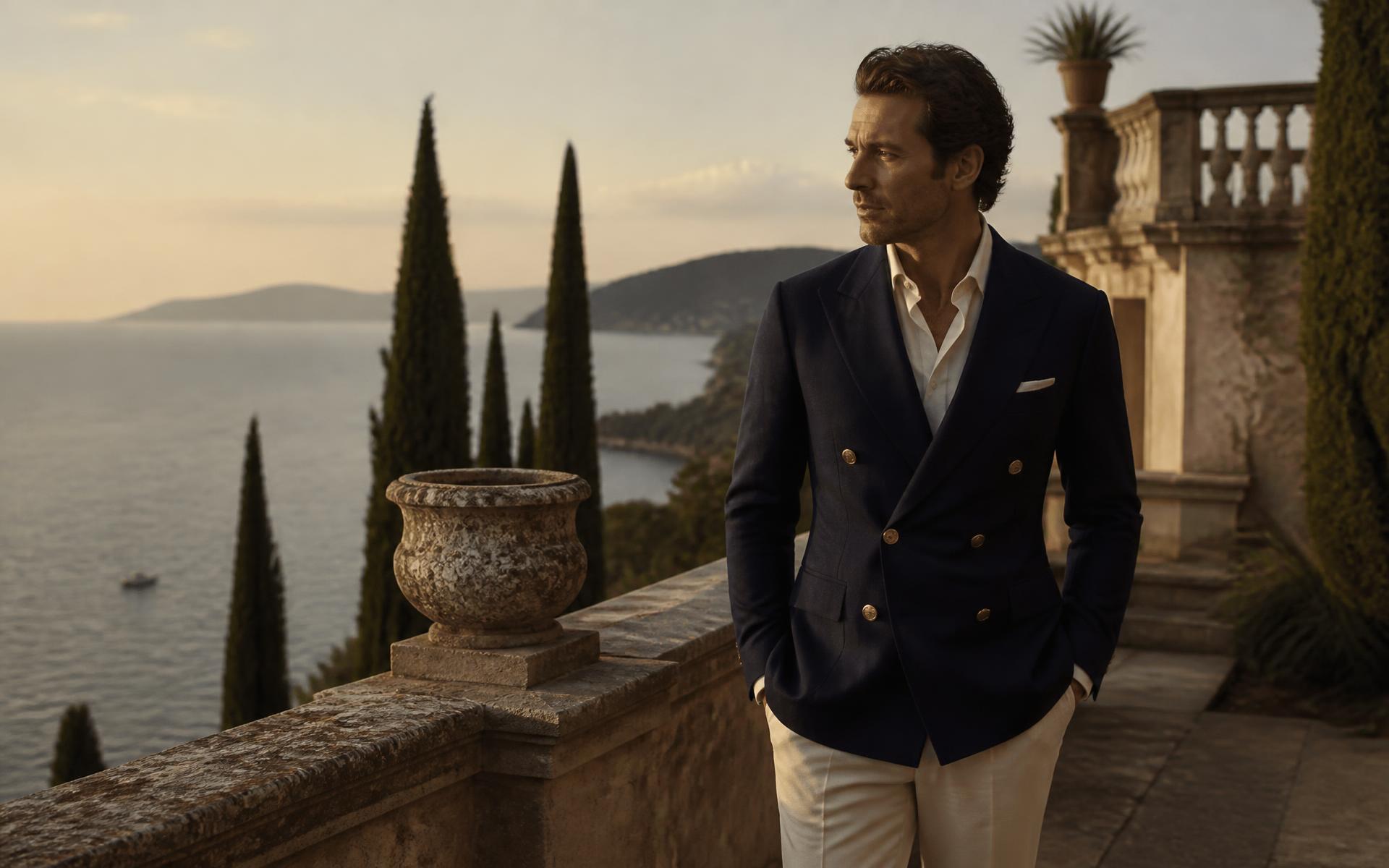
There is a test we use in the workshop. Describe a man's outfit to someone who did not see it. If the description is a list of brands, he has been dressed by marketing. If it is a list of colours, textures and proportions, he has dressed himself.
Why logos read as anxiety
A visible logo performs a single function: it tells a stranger what you paid, before you have said anything. That is useful if you need the information transmitted quickly and cannot rely on the rest of you to do it. It is unnecessary if you can.
This is not snobbery about price. Quiet clothes are often expensive; that is incidental. The point is the direction of the signal. Loud dressing asks something of the room. Quiet dressing asks nothing, which is precisely why the room leans in.
Loud dressing asks something of the room. Quiet dressing asks nothing.
The four things that actually register
Fit, first, and by a distance — specifically the shoulder line and the trouser break. Nothing else can rescue those two, and nothing else is needed once they are right.
Then colour discipline. Three tones in an outfit, one of them near-neutral. Camel, navy, ivory, olive, grey and brown will carry a man through a lifetime and every one of them flatters skin rather than competing with it.
Then texture, which is where quiet clothing gets its interest: flannel against poplin, cashmere against linen, a matte shoe against a soft trouser. Texture is the substitute for pattern, and a better one.
Then upkeep. Polished shoes, pressed collars, no loose threads. A four-hundred-euro coat that is cared for outdresses a four-thousand-euro coat that is not, every single time.
How to avoid looking dull
The failure mode of quiet dressing is beige uniformity. The correction is not a bright colour; it is a proportion decision. A wider trouser. A longer coat. An unstructured shoulder in a room of padded ones. These read as confidence because they cannot be bought off a rail without thought.
Do that consistently for a decade and something odd happens: people stop complimenting individual garments and start describing you as well-dressed, which is the only compliment worth having.